In practice

Start with the work.
Build from there.

A routine that creates extra administration. An update that never reaches the right team. A question that takes too long to answer. Start with a challenge your people already know.

01 /Inspections & checks

A finding should lead somewhere.

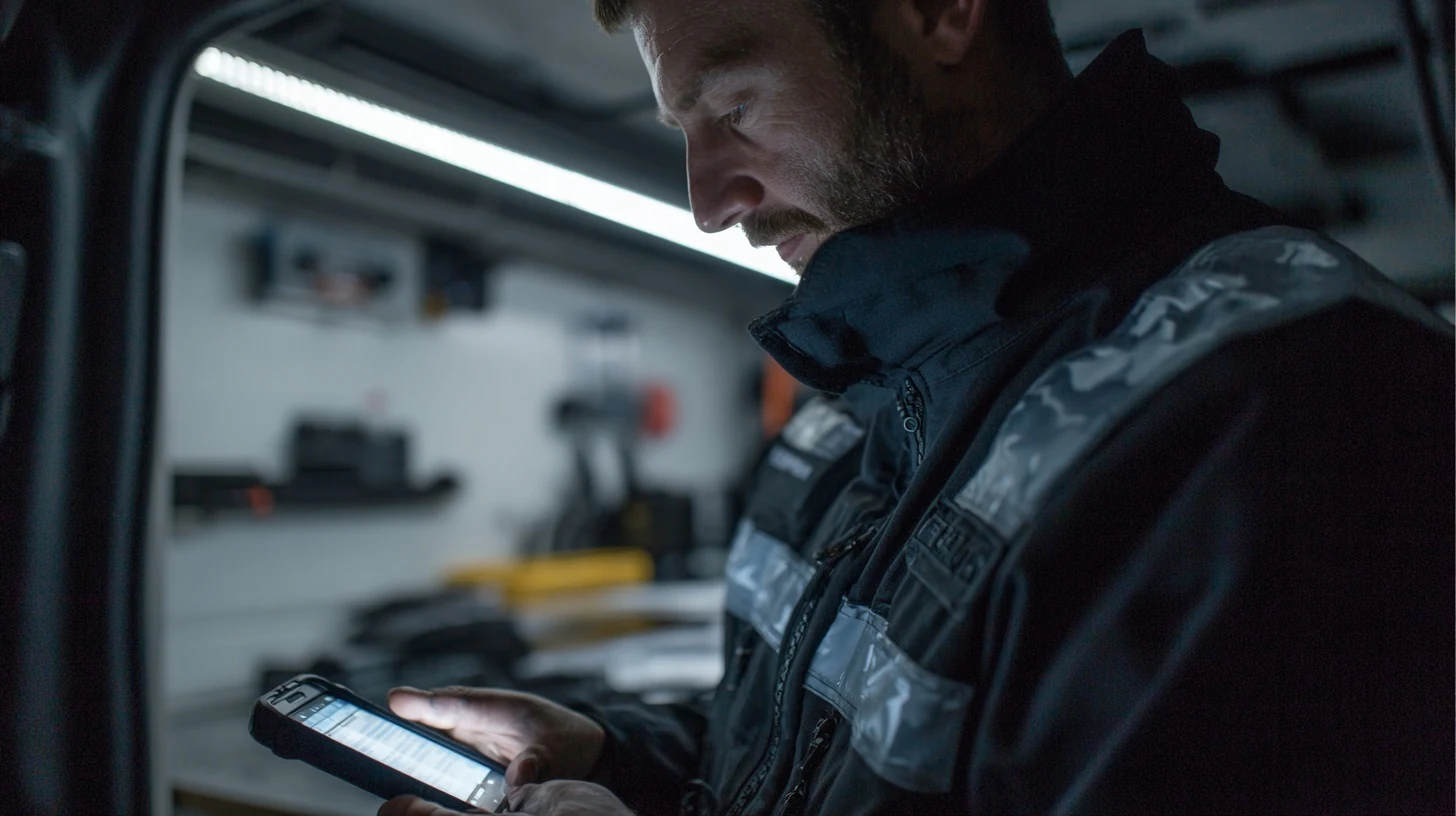
A worn mooring line. A missing item. A reading that needs a second look. The person carrying out the check knows the detail. Give that detail a route to the next person who needs it.

A crew member checking a handheld device while working on boardCloser to the work.

An example of the flow

  1. Record it at the source

    Use a workflow for the check, with the observation, a photo and the context of where it happened.

  2. Keep the evidence together

    Structure the record so a finding and the evidence behind it can be reviewed together.

  3. Connect the follow-up

    Make the information available to the maintenance, safety or compliance systems your teams use.
Talk about inspections
02 /Coordinated operations

Know where the work stands.

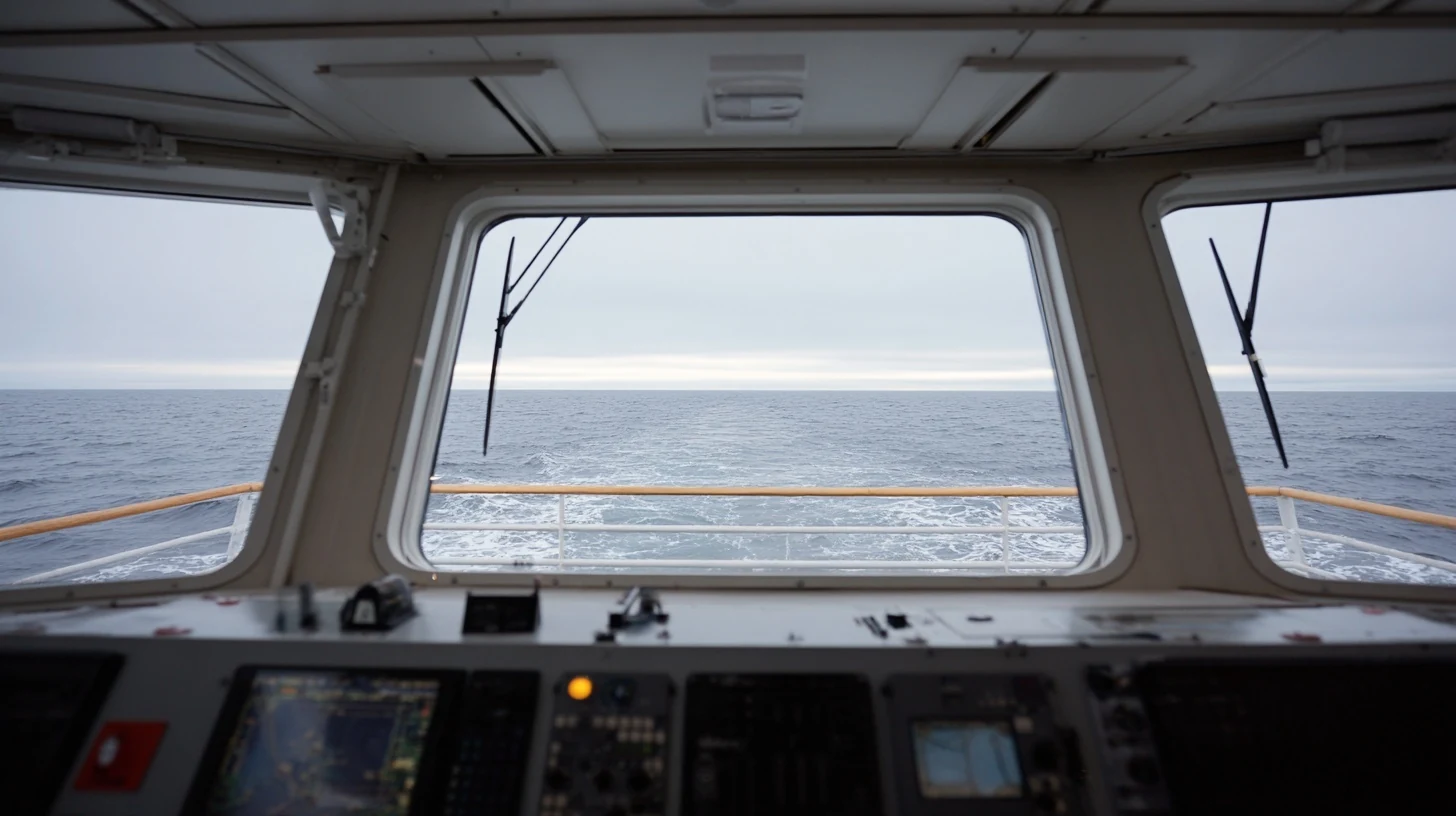
Preparing for departure involves different people, different tasks and a changing situation. A shared workflow brings their updates together, so the conversation can focus on what needs attention.

Navigation instruments and working surfaces on a ship’s bridgeA shared view of operations.

An example of the flow

  1. Give the work a structure

    Bring the required steps and responsibilities into a workflow that reflects the operation.

  2. Bring updates together

    Combine input from people and connected systems. Share progress between teams when connected.

  3. Direct attention

    Use the available status and context to decide where a conversation or follow-up is needed.

Talk about your operation
03 /Support in the moment

Help starts with understanding.

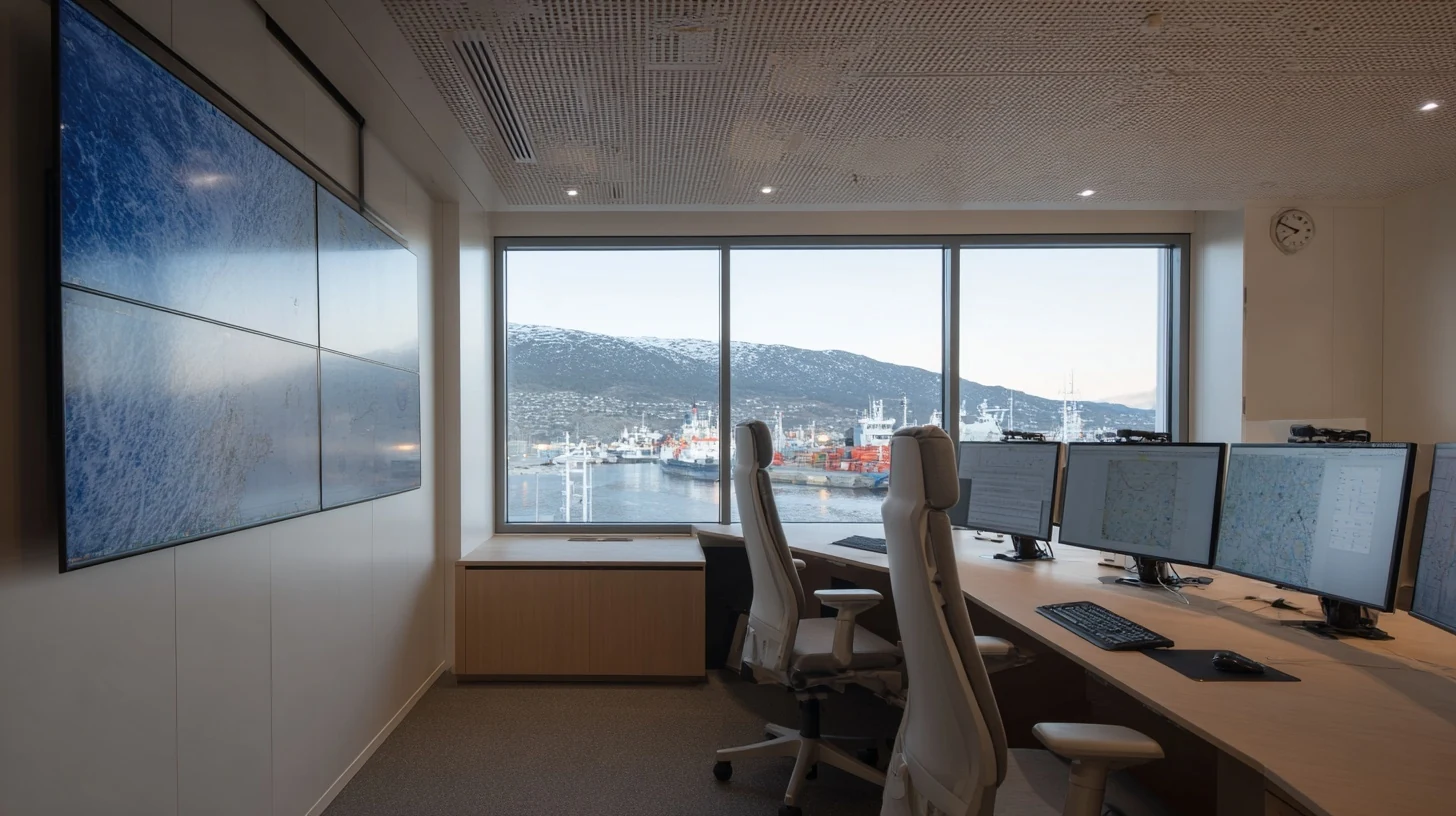
Someone on board sees something unusual. Someone ashore has the experience to help. The useful connection is the observation, its evidence and the situation around it.

A shore operations room overlooking the harbourConnected across ship and shore.

An example of the flow

  1. Capture the situation

    Record what is happening and attach the detail that will help another person understand it.

  2. Share the context

    When connected, make that information available to the team supporting the work.

  3. Keep the next step connected

    Bring the response and follow-up into the workflow, so the record reflects what happened next.

Talk about support

One platform, different starting points

The first flow is a place to learn.

Choose a routine, involve the people doing the work and connect the information to where it is needed. Use what you learn to decide what comes next.

Explore the platform behind it

A practical place to start

Bring us your
everyday challenge.

A routine that takes too long. Information you keep chasing.
Let’s see what one connected flow could change.

Talk to Maranics

Start with one flow.
Grow on the same platform.

Built in Gothenburg.
At work at sea.